Activities of Daily Living (ADLs)
Therapy
Activities of Daily Living (ADLs)
Activities of Daily Living (ADLs) are the basic, routine tasks people do every day to take care of themselves and maintain independence. These include self-care activities such as eating, bathing, dressing, toileting, mobility, and grooming.
For children, ADL training helps them build independence, confidence, and life skills, while for individuals with special needs, developmental delays, or disabilities, ADL programs focus on improving functional skills so they can participate more fully in daily life.
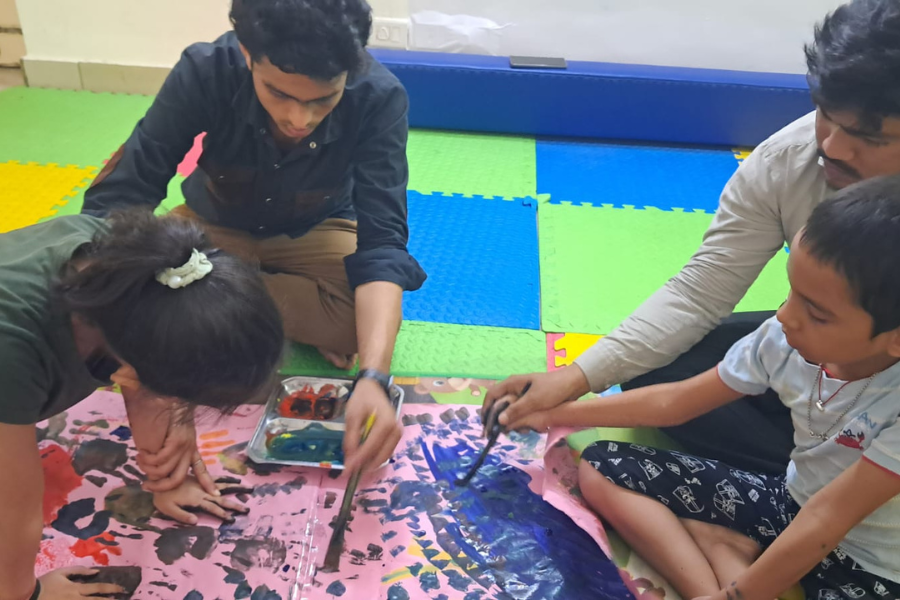

Why Do Kids Need Activities of Daily Living (ADLs)?
Children need ADL training because it helps them build the essential life skills required for independence, confidence, and everyday functioning. Many kids struggle with self-care routines like dressing, eating, grooming, or toileting, which can affect their social participation and school readiness.
- Developing independence in daily self-care tasks
- Improving fine and gross motor skills
- Building confidence and responsibility
- Preparing them for school and social environments
- Reducing over-dependence on parents or caregivers
Who can benefit fromActivities of Daily Living (ADLs)?
Kids with special needs or disabilities – such as autism, cerebral palsy, or sensory processing difficulties.
Students preparing for school readiness – to manage routines like dressing, eating, and toileting independently.
Neuro care Therapy Center
Frequently Asked Questions
Common ADLs include eating, bathing, dressing, grooming, toileting, and moving from one place to another (mobility).
ADLs help children become more independent, confident, and responsible, preparing them for school and social participation.
Children with developmental delays
Kids with sensory or motor difficulties
Individuals with special needs or disabilities
Children preparing for school readiness
Through structured activities such as:
Practicing self-care routines (brushing, buttoning, eating with a spoon)
Motor skill exercises for dressing and grooming
Role-play and guided practice with therapists