Reflex Integration Therapy
Therapy
Reflex Integration Therapy

Why Do Kids Need Reflex Integration Therapy?
- Supports Motor Development
- Enhances Learning and Academic Skills
- Improves Emotional Regulation
- Supports Daily Life Skills
- Boosts Confidence and Social Skills
Who can benefit from Reflex Integration Therapy?
Neuro care Therapy Center
Frequently Asked Questions
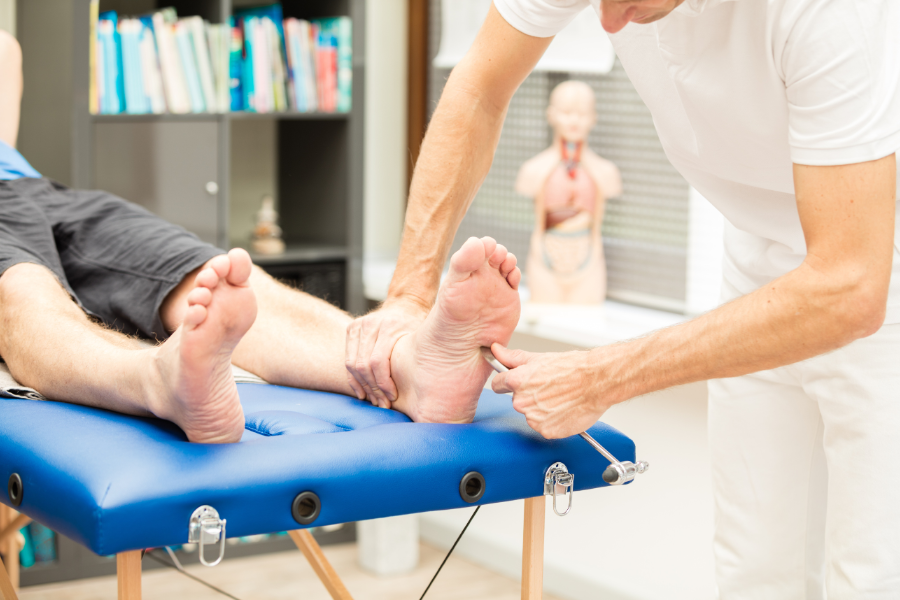
Reflex Integration Therapy is a specialized therapy that helps children and adults integrate primitive reflexes—automatic movements present at birth that should naturally fade as the nervous system matures. Persistent reflexes can affect learning, motor skills, balance, and behavior.
Primitive reflexes are automatic movements present at birth to aid survival and early development. Examples include:
Moro Reflex: Startle response to sudden movement or sound
Rooting Reflex: Turning head toward touch on the cheek
ATNR (Asymmetrical Tonic Neck Reflex): Turning the head extends one arm
Palmar Grasp Reflex: Fingers automatically close around objects
Normally, these reflexes integrate naturally as the child grows. If they persist, they can interfere with development.
Children with developmental delays
Children with learning difficulties or ADHD
Children with motor coordination or balance issues
Children with behavioral or emotional challenges
Adults experiencing coordination or focus difficulties
Difficulty with balance, coordination, or posture
Struggles with fine motor skills (writing, drawing)
Difficulty focusing or learning in school
Behavioral or emotional outbursts
Challenges in daily life activities (dressing, eating, self-care)