Sensory Integration
Therapy
Sensory Integration
Occupational therapy (OT) is a branch of medicine that may assist people with physical, cognitive, and sensory impairments live healthier lives. An occupational therapist helps people become more independent and perform daily tasks without assistance by using a range of therapies, exercises, and activities.
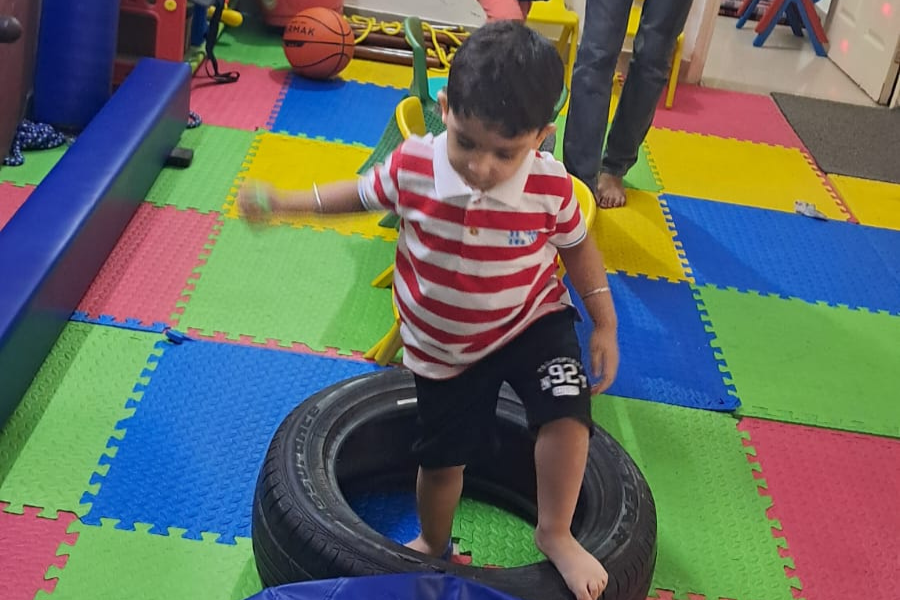

Why Do Kids Need Sensory Integration?
- Enhances Motor Skills
- Daily Life Independence
- Regulates Behavior and Emotions
- Supports Learning and Academic Growth
Who can benefit from Sensory Integration?
Neuro care Therapy Center
Frequently Asked Questions
Sensory Integration is the process by which the brain organizes information from the senses (touch, sight, sound, movement, taste, smell, and body awareness) to help a person respond appropriately to their environment.
It helps children develop:
Motor skills (running, writing, climbing)
Focus and learning abilities
Emotional regulation and social skills
Independence in daily activities
Overreacts to textures, sounds, or lights
Avoids certain clothing or foods
Frequently bumps into things or is clumsy
Shows hyperactivity or extreme passivity
Has difficulty with self-care tasks
Children with Autism Spectrum Disorder (ASD)
Children with ADHD
Children with developmental delays or motor difficulties
Children with emotional or behavioral challenges
Adults with sensory processing difficulties or anxiety